Informal education allows students to learn through practical examples and interactive exercises.
The video methodologies are created in collaboration with experts in non-formal education and business literacy, ensuring their high quality and relevance.
-

Conflict Management and Consensus Building
The methodology provides both a methodological and expert foundation for resolving conflicts through consensus (what consensus means, the algorithm for resolving it), as well as the opportunity to practice it through group work focused on reaching agreement. At the end of the group work, the process is analyzed from the perspective of the result achieved…
-
Nonviolent Communication
Communication is the foundation of our interactions with others, therefore knowing how to communicate “nonviolently” is very important. It is necessary to recognize each individual’s unique approach to communication. Through the example of the jackal and giraffe languages, participants can become aware of their own communication style. They also learn to distinguish these two forms…
-
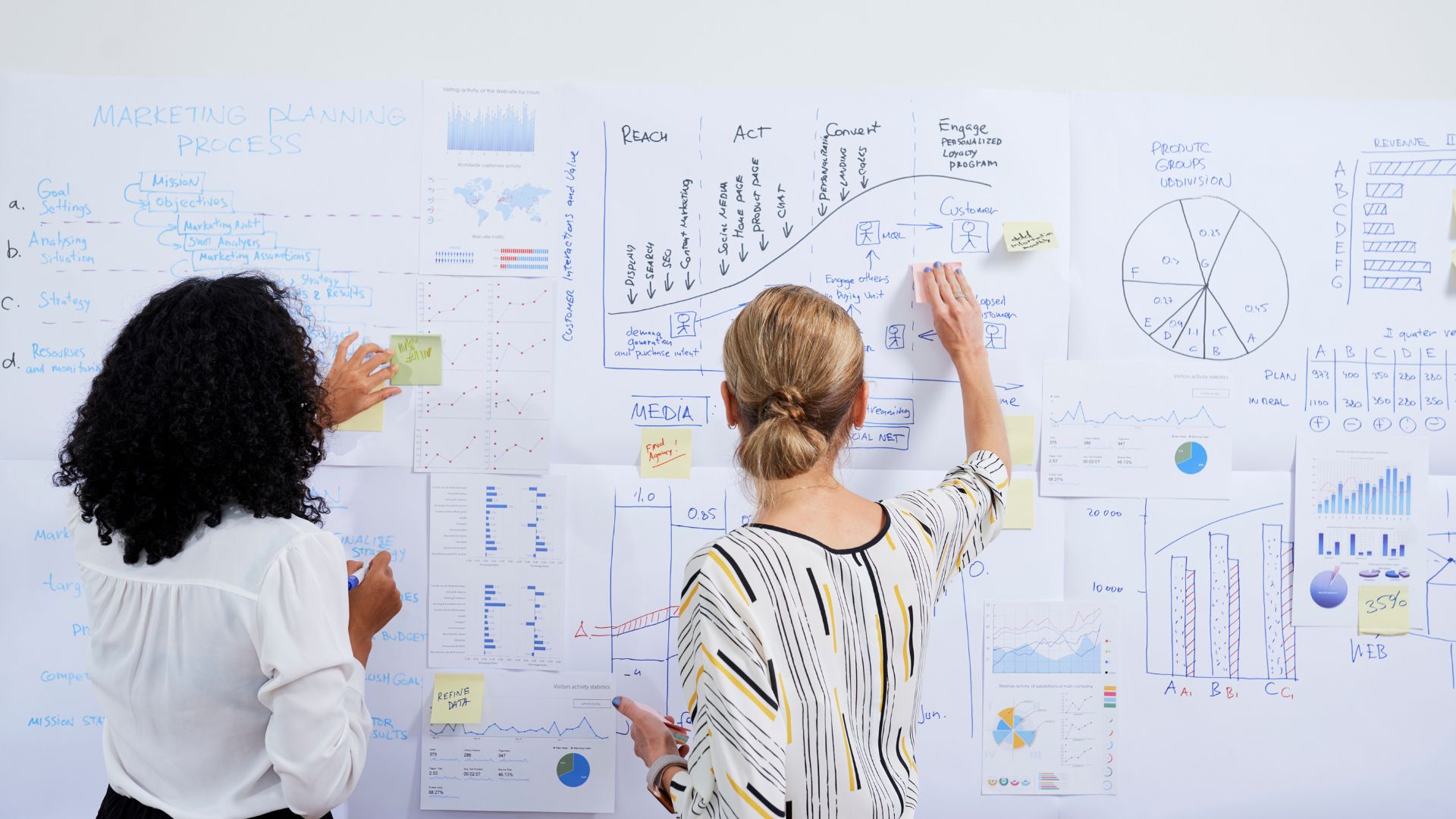
Introduction to Strategic Planning
The methodology guides participants to realize the importance of strategic planning in both private and professional life, teaching them how to set goals and achieve them. As part of practical tasks, participants will create a SWOT analysis for a proposed organization.
-
Basics of Effective Interaction
The methodology explains the principle of communication (both verbal and non-verbal) and active listening. A practical exercise will show participants how descriptions of situations differ depending on the emotions we experience. Participants will also try the “I-message” and its use within effective communication.
-
Entrepreneurship
Since the project also aims to support the courage and desire of young people to start a business, this methodology explains the essence of entrepreneurship, the prerequisites and motivation for entrepreneurship, as well as intrapreneurship for those who lack the courage or experience to realize their business idea. In a practical demonstration, participants try to…
-
Brand Building – Marketing
The methodology introduces participants to the online world and its use in private life but especially in business. While working in groups, participants create an online promotion strategy for their chosen business subject, selected customer segment, and chosen social network where the promotion will be placed. The result of their work should be a precisely…
-
Visualization of Goals and Plans as Support for Professional Life
Participants have the opportunity to “visualize” their attitudes toward various life situations based on internal values and life experiences. They express this by moving into one of three zones – COMFORT (everyday life situations), CHALLENGE (providing opportunity for learning and growth), IMPOSSIBLE (situations where we feel threatened by the potential inability to handle overly difficult…
-
Smart Resource Management
After watching short films with an ecological theme, participants divided into groups choose their activity and identify the resources they will need for its production according to importance/quantity. The essence lies in the limitation of these resources (represented by tokens), for which they will have to compete by choosing an appropriate strategy to obtain them….
-
Business Model Canvas
The result of the participants’ work in groups is a clear and concise business plan in the form of a Business Model Canvas, created after the instructor explains sample models. Since each group forms one BMC model, they need to communicate, argue, critically reassess, and generate ideas together. They present the results of their work…
-
What do the terms accounting, taxes, and the state budget have in common?
The methodology includes working in groups on assigned tasks in worksheets related to taxes, the state budget, and accounting based on the attached informational material about taxes, the state budget, and accounting. The organization of work in groups and the role of the group leader also play an important role. The completed worksheets are proposed…
-
Project Management
Participants address a selected issue from proposed pressing situations related to the lives of young people in communities by creating a project following the instructor’s guidelines. The instructor specifically emphasizes the need to identify the root cause (not just consequences) of the problem the project addresses and to determine the priority of the solution. The…
-
Cash flow
Before creating family budgets in groups – “families” with a set situation regarding income, age, and financial needs, participants will, under the guidance of the instructor, create connections between needs and wants, and the values that should be considered in their consumer behavior. The essence of the activity of the groups – “families” is to…
-
Time Management
Most Important Things First… and Then? The goal of the methodology is to teach participants how to manage their time so that they can use it wisely and efficiently, bringing the greatest value. They will learn to work with the time matrix and use tools for time management.
-
Leader versus Manager
The methodology based on the text teaches participants how to work with the text so that they remember as much as possible and can apply it. A side effect is also information distinguishing a manager from a leader.
-
Teamwork
Nowadays, job applicants are required to have the ability to work in a team – achieving set goals together. Participants have the opportunity to try working in a team and explore team roles. In all activities, it is necessary to complete the assigned task. Discussions also play an important role, where participants analyze team behavior…